- New research from Landmark Technologies finds a quarter of office workers (25%) are worried about losing their jobs to AI co-workers
- However, two in five (38%) believe AI co-workers would make work more efficient
- In the next three years, 29% believe AI assistants will make judgement-based decisions on their behalf
- In the same timeframe, more than one in ten (12%) believe remote workers could ‘appear’ as holograms in the office
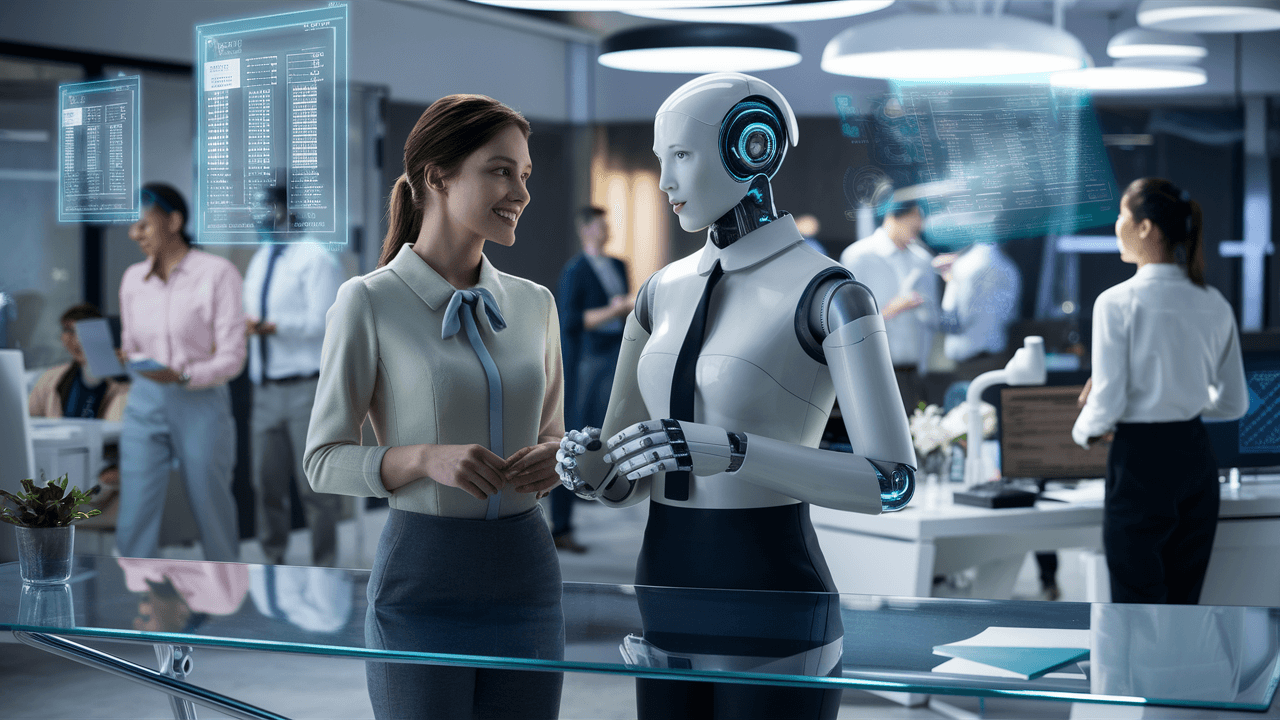
Landmark Technologies, an Irish provider of IT and cybersecurity services, today announces the results of new research which reveals that a fifth of office workers in Ireland (20%) expect to have AI colleagues in the next three years.
The research, carried out by Censuswide on behalf of Landmark, surveyed 1,000 employees in Ireland on attitudes towards AI and its integration into the workplace. A quarter (25%) confessed that they would feel nervous about working alongside AI co-workers that handle tasks independently, due to concerns that their own job would become redundant. However, the research found that 38% would be excited as they believe AI co-workers would make them more efficient.
Employees increasingly expect that AI will move beyond administrative support and begin taking on more autonomous responsibilities. In the next three years, 29% of office workers believe that AI assistants will frequently make judgement-based decisions on their behalf, such as prioritising emails or declining meetings.
Others, meanwhile, are expecting even greater transformation to their workplace within the next three years. More than one in ten (12%) believe that remote workers will have the ability to ‘appear’ as holograms in the office.
While workers expect autonomous technologies to play a greater role in their day-to-day jobs, they also believe it will deliver tangible personal benefits. The top expected benefits of increased use of AI over the next three years are better work-life balance, cited by 29%; more time for creative and strategic thinking (27%); and more flexible hours to fit around family commitments (27%).
Ken Kelleher, Managing Director, Landmark Technologies: “AI is rapidly moving from being a productivity tool to becoming a digital colleague that supports employees in their day-to-day work. The next few years will increasingly see organisations adopt AI assistants that can automate routine tasks and help employees make better decisions. However, businesses must ensure that these technologies are introduced responsibly, with governance and compliance in mind.
“As AI becomes more embedded in the workplace, businesses have an important role to play in helping employees understand how it can make their jobs easier. By providing the right training, organisations can reduce uncertainty and help employees see AI as a valuable colleague, enabling them to focus on their work instead of worrying about being replaced.”